Lucie Greever Gallery
The Lucie Greever Gallery is our main exhibition gallery, and is located within the Higginbotham Museum Center.
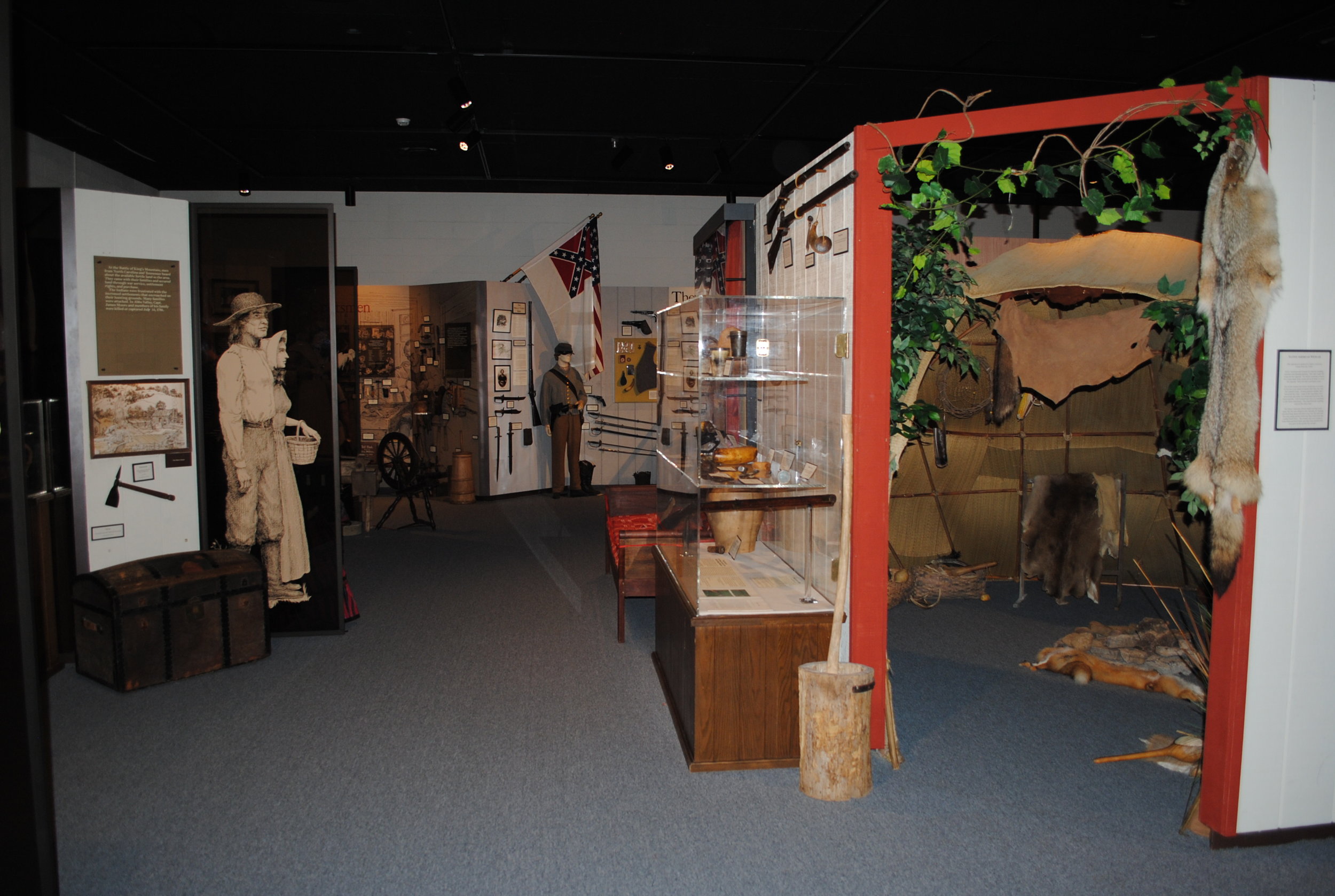
The gallery houses twelve permanent exhibits and one changing exhibition space.
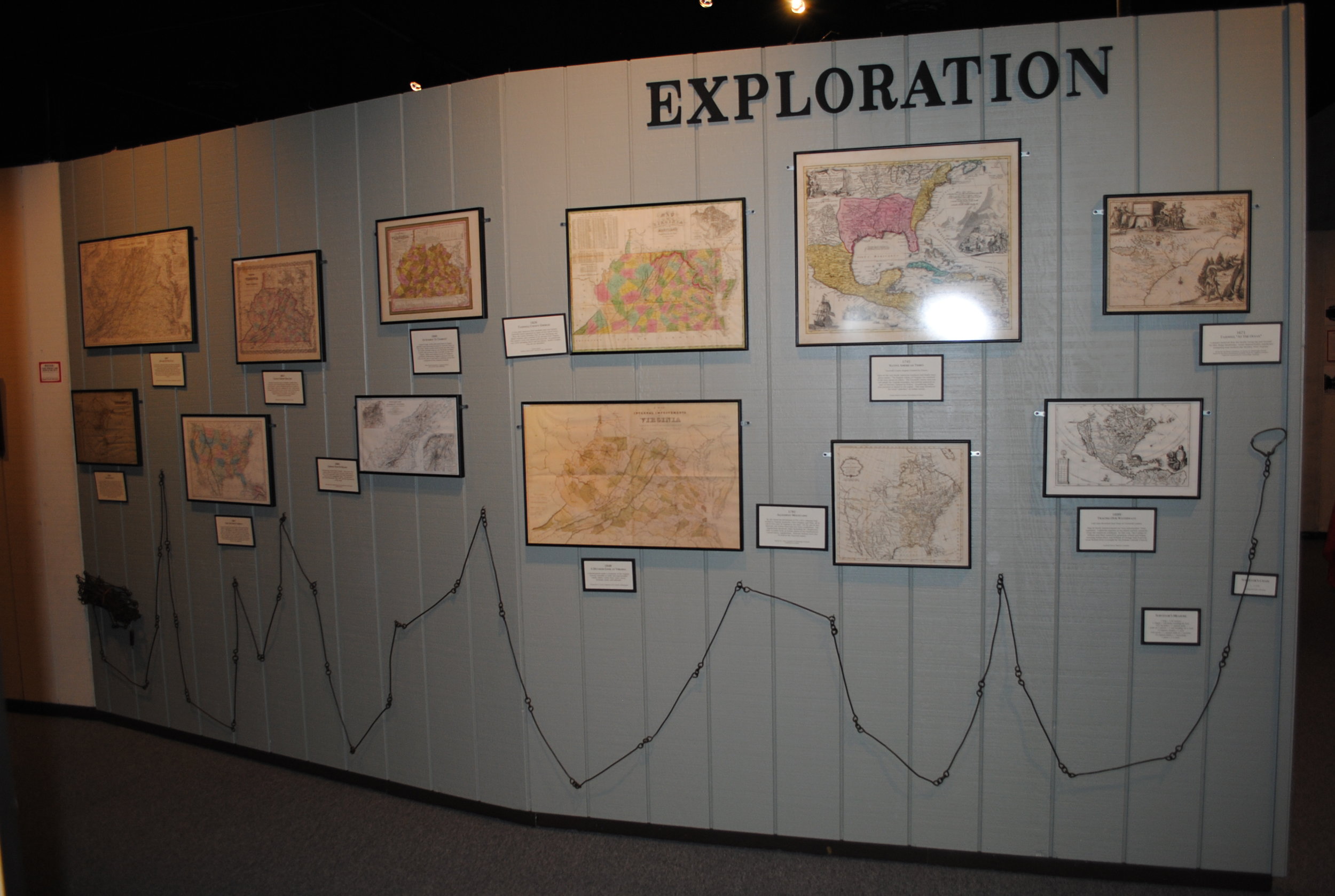
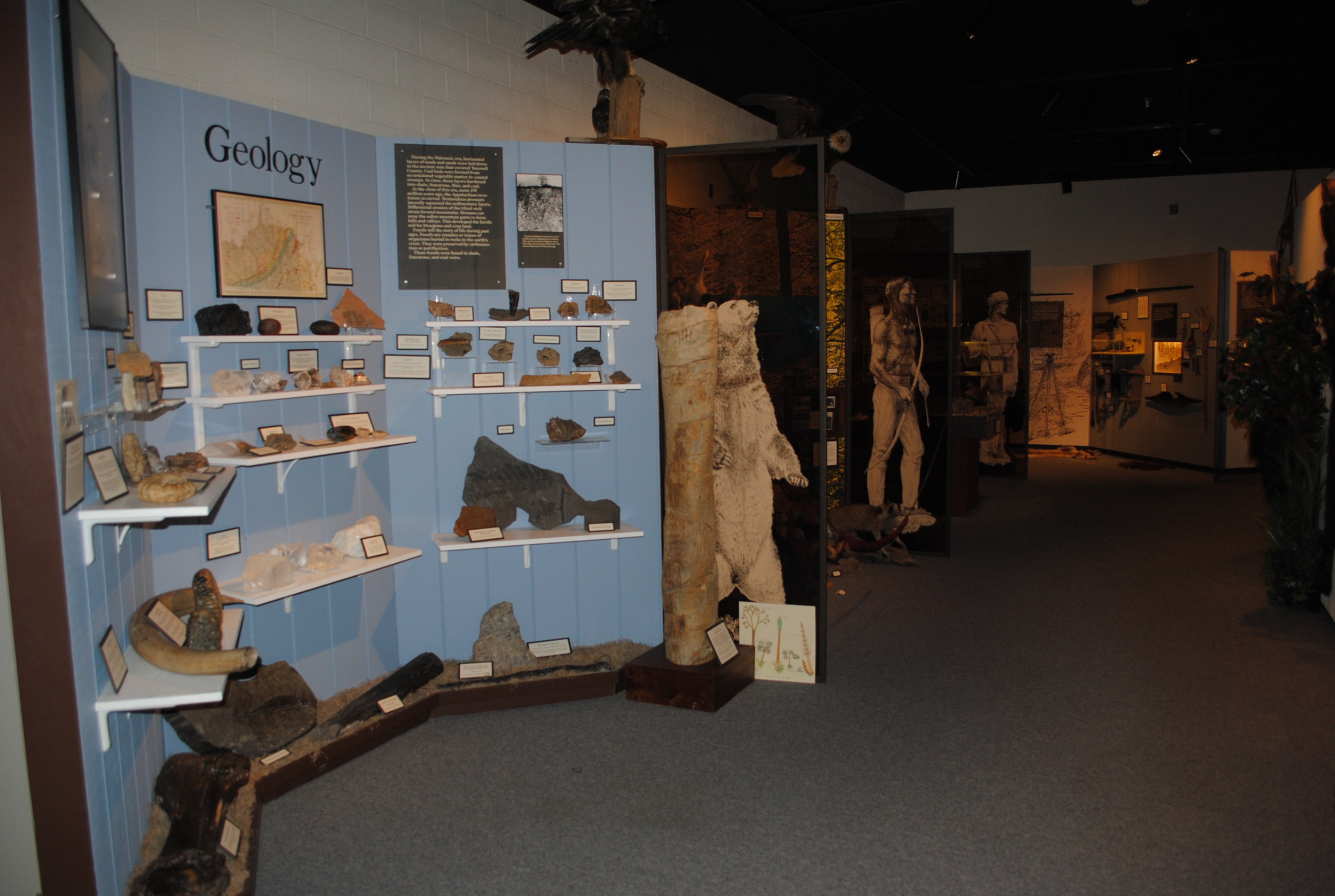
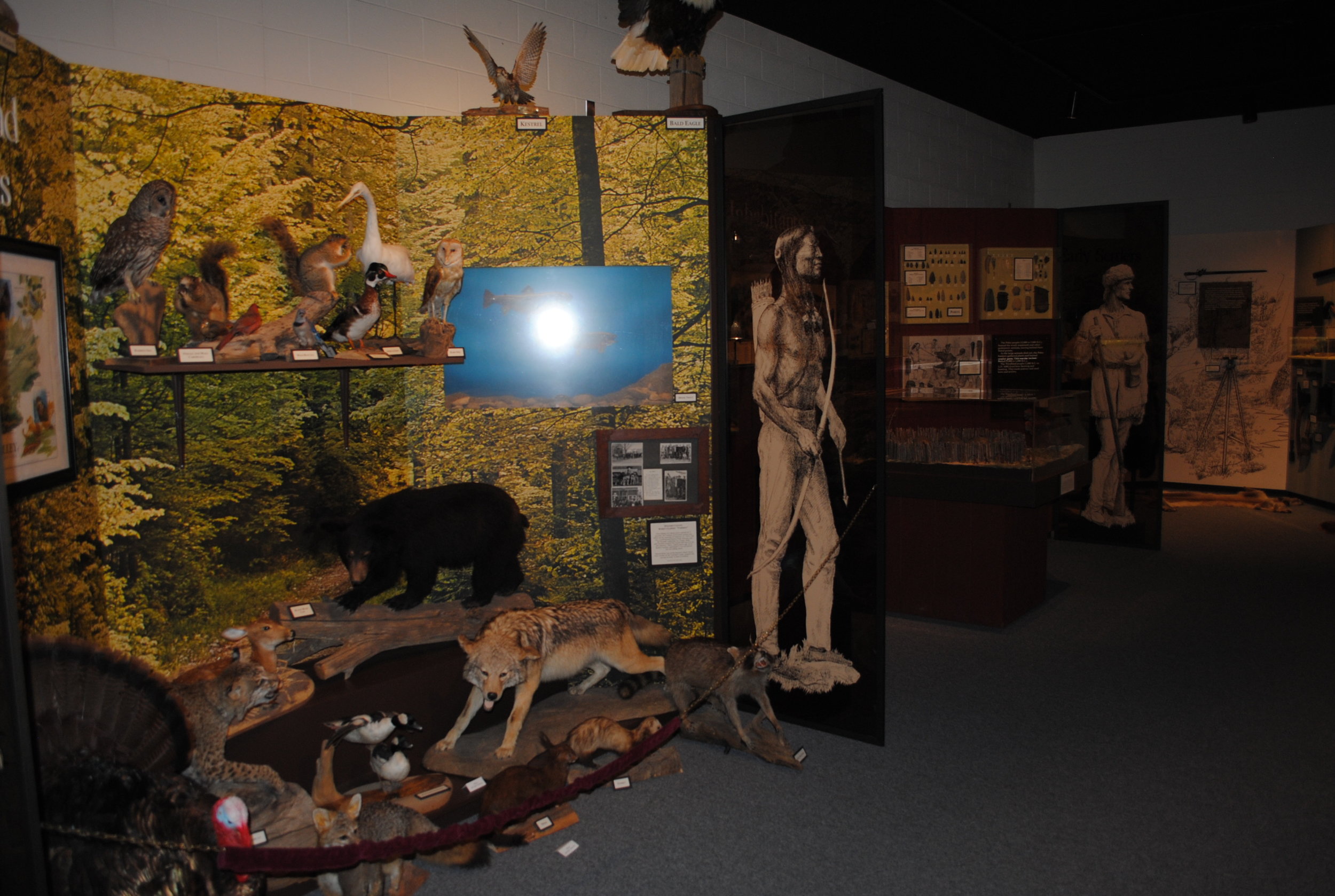
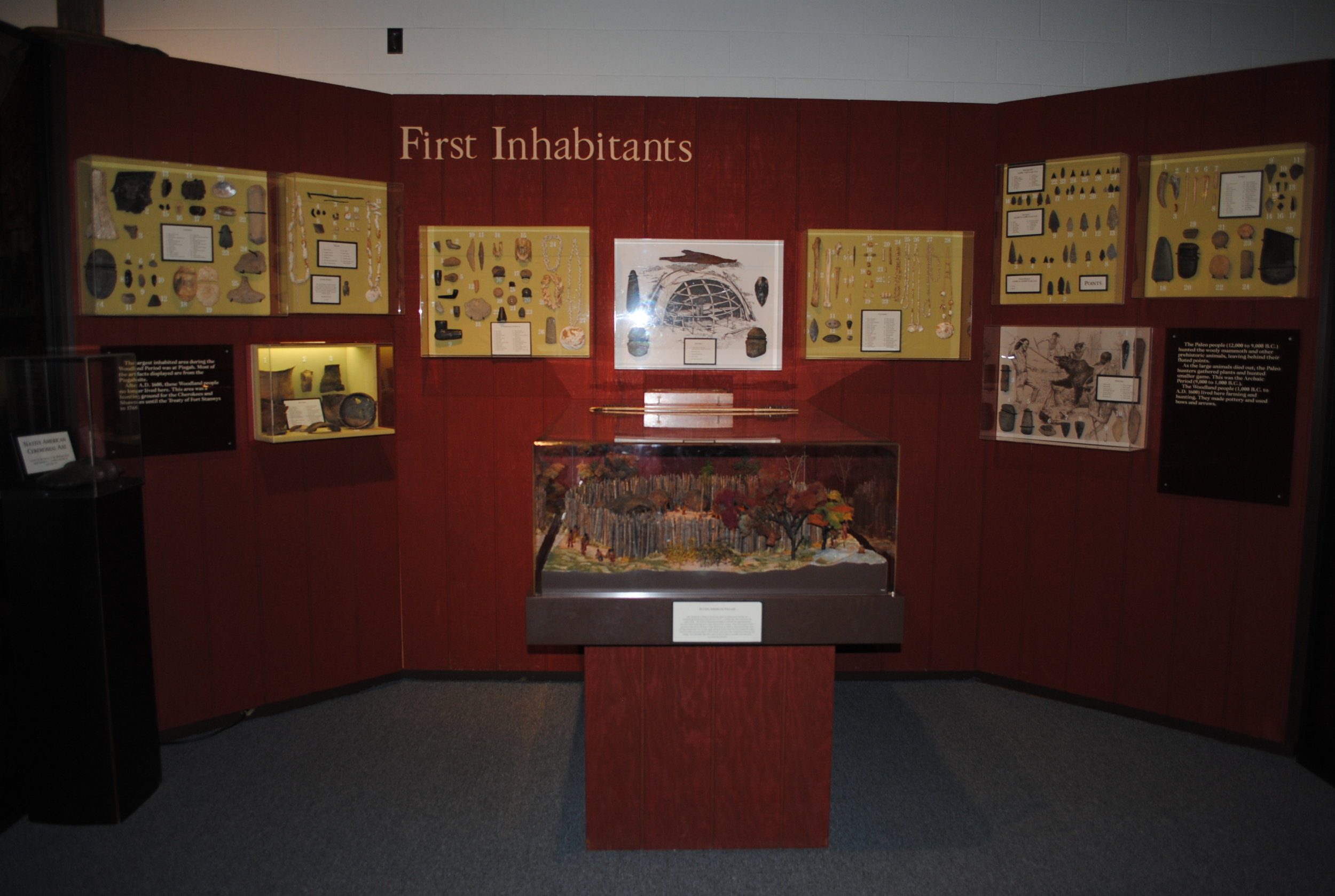
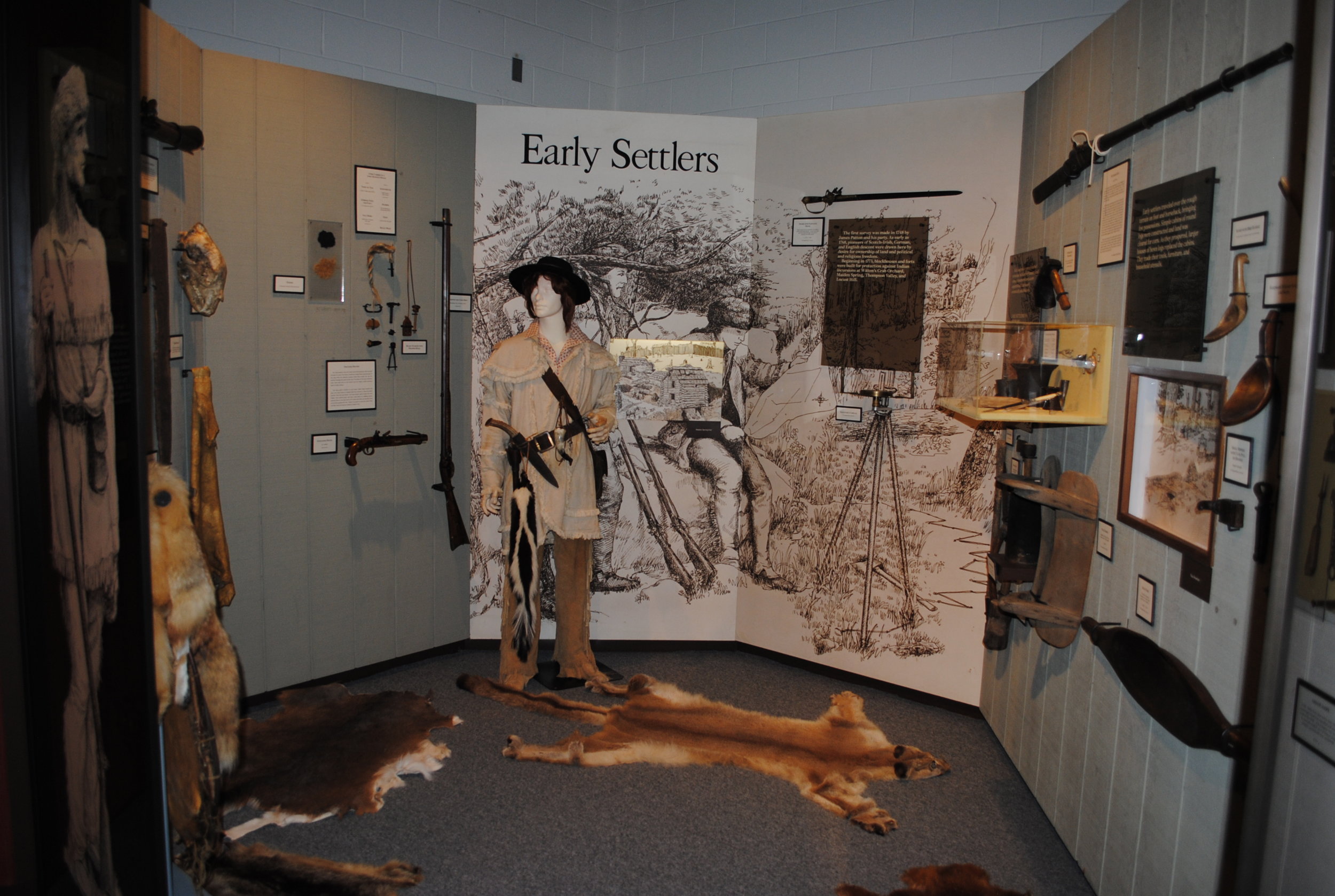
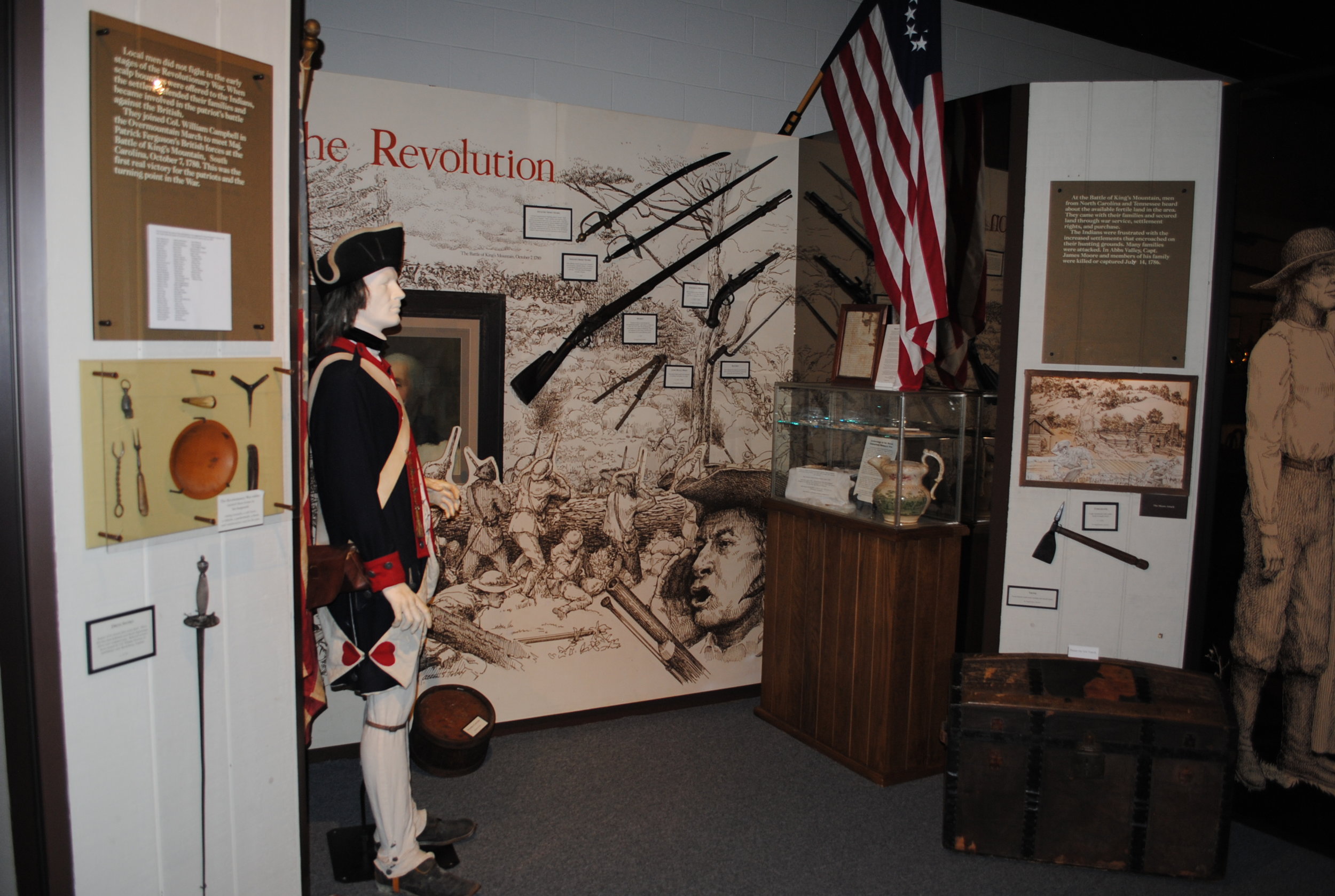
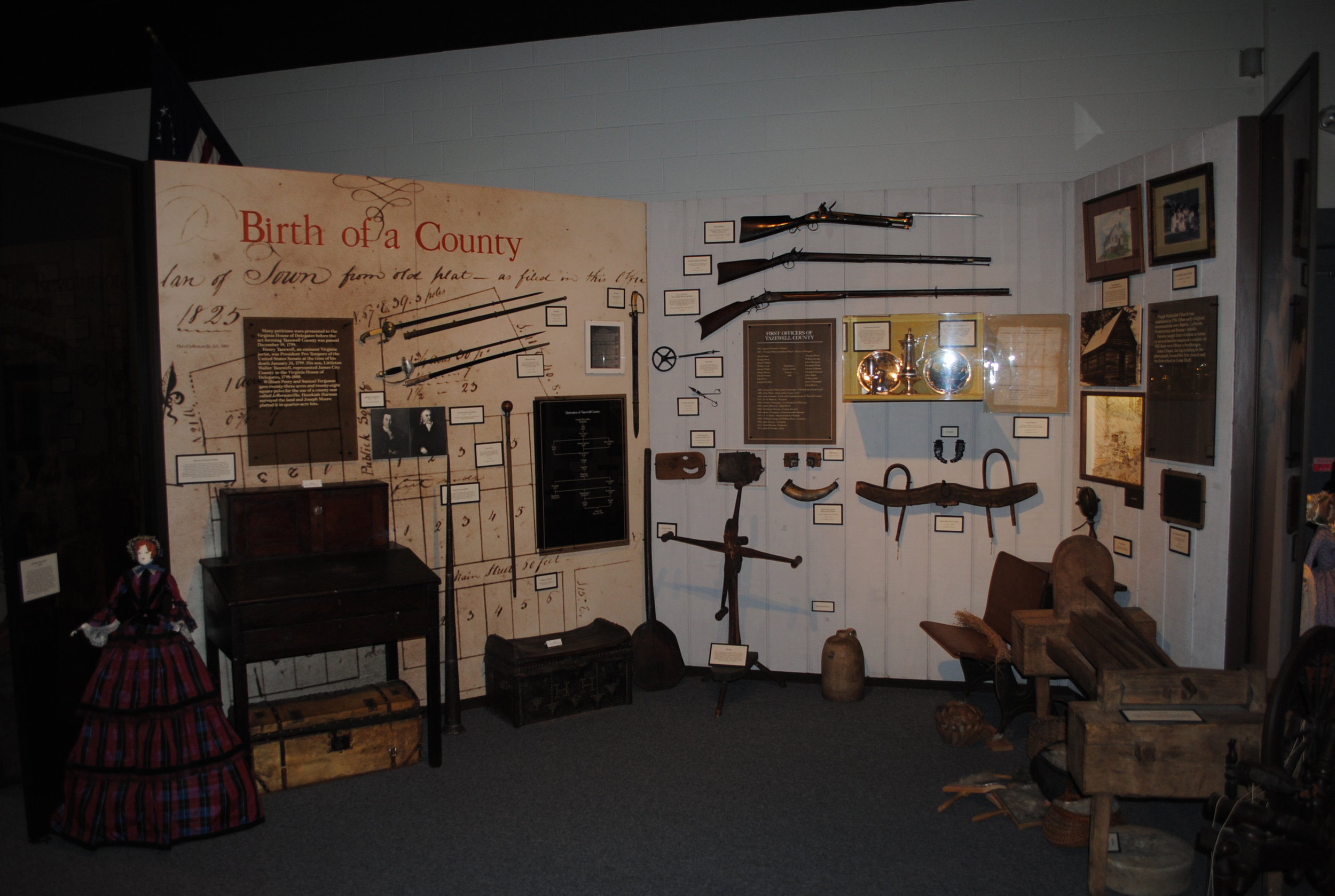
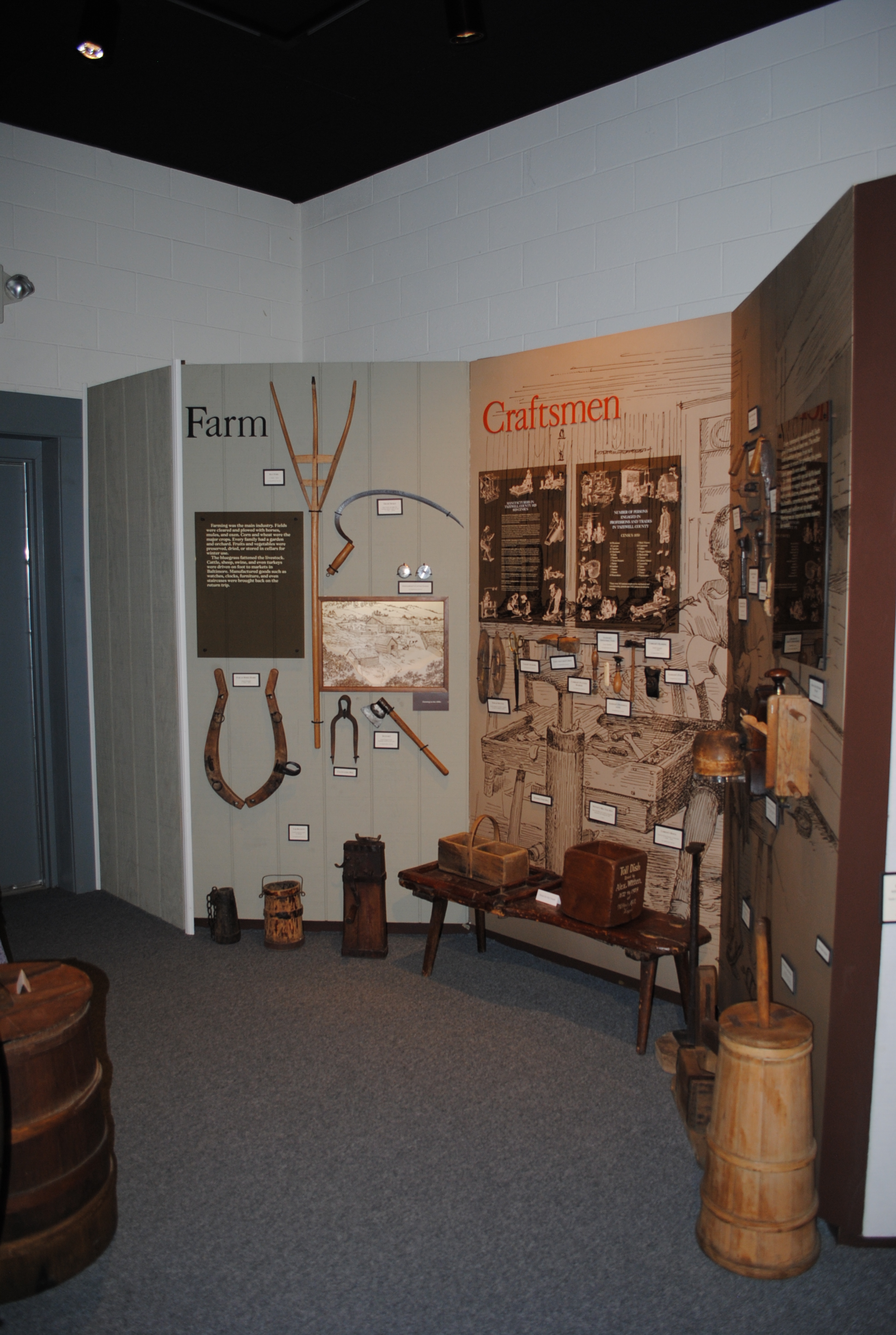
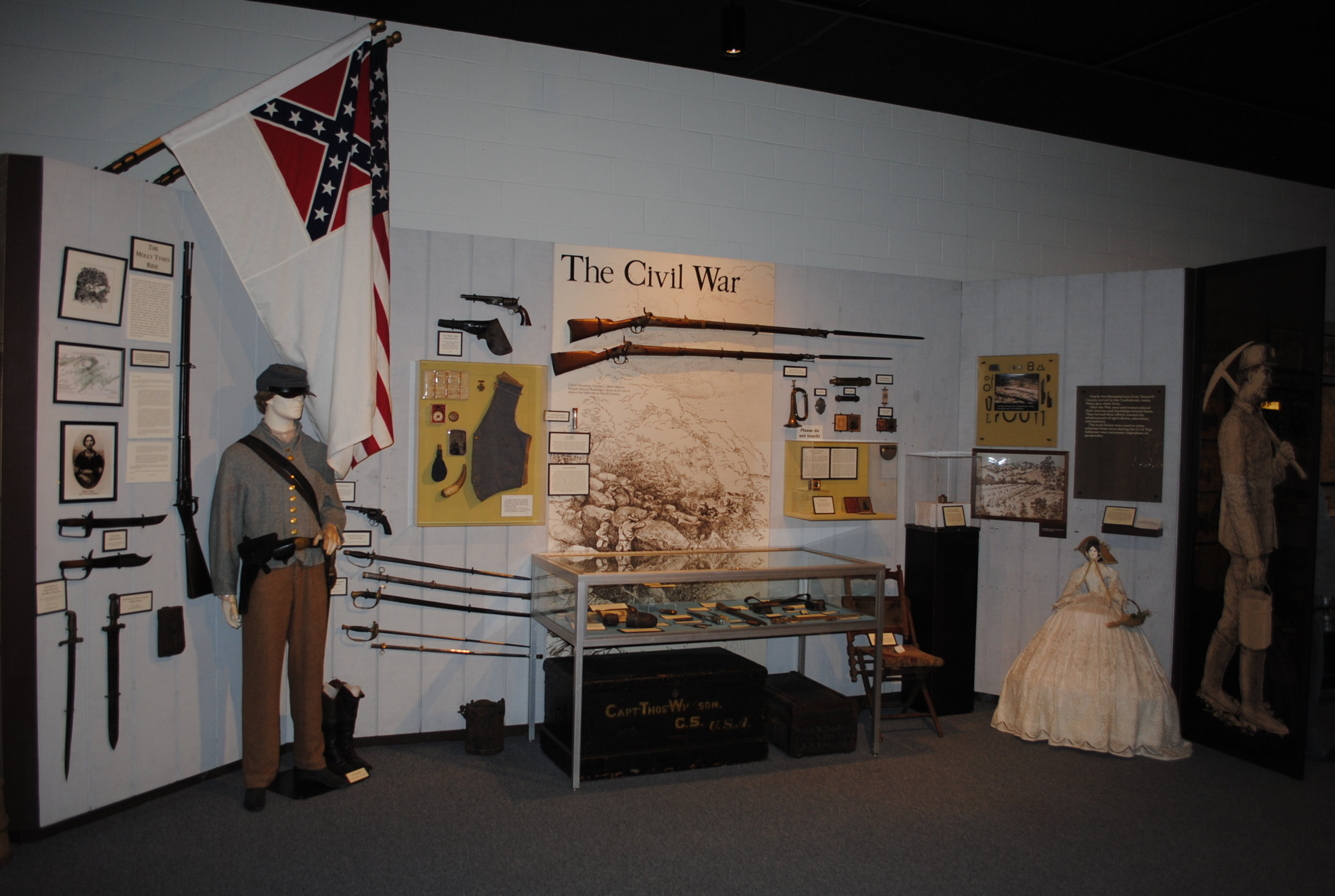
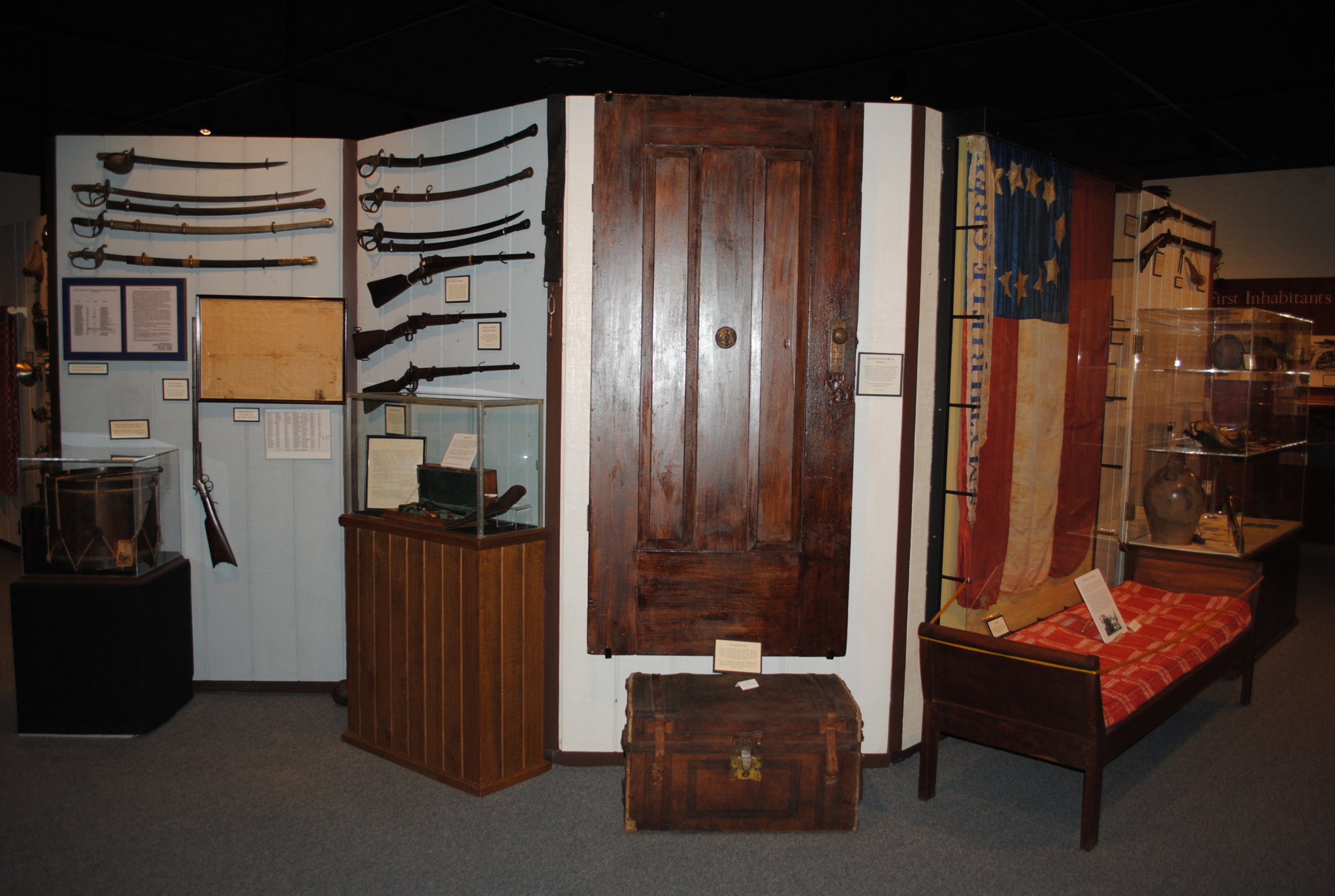
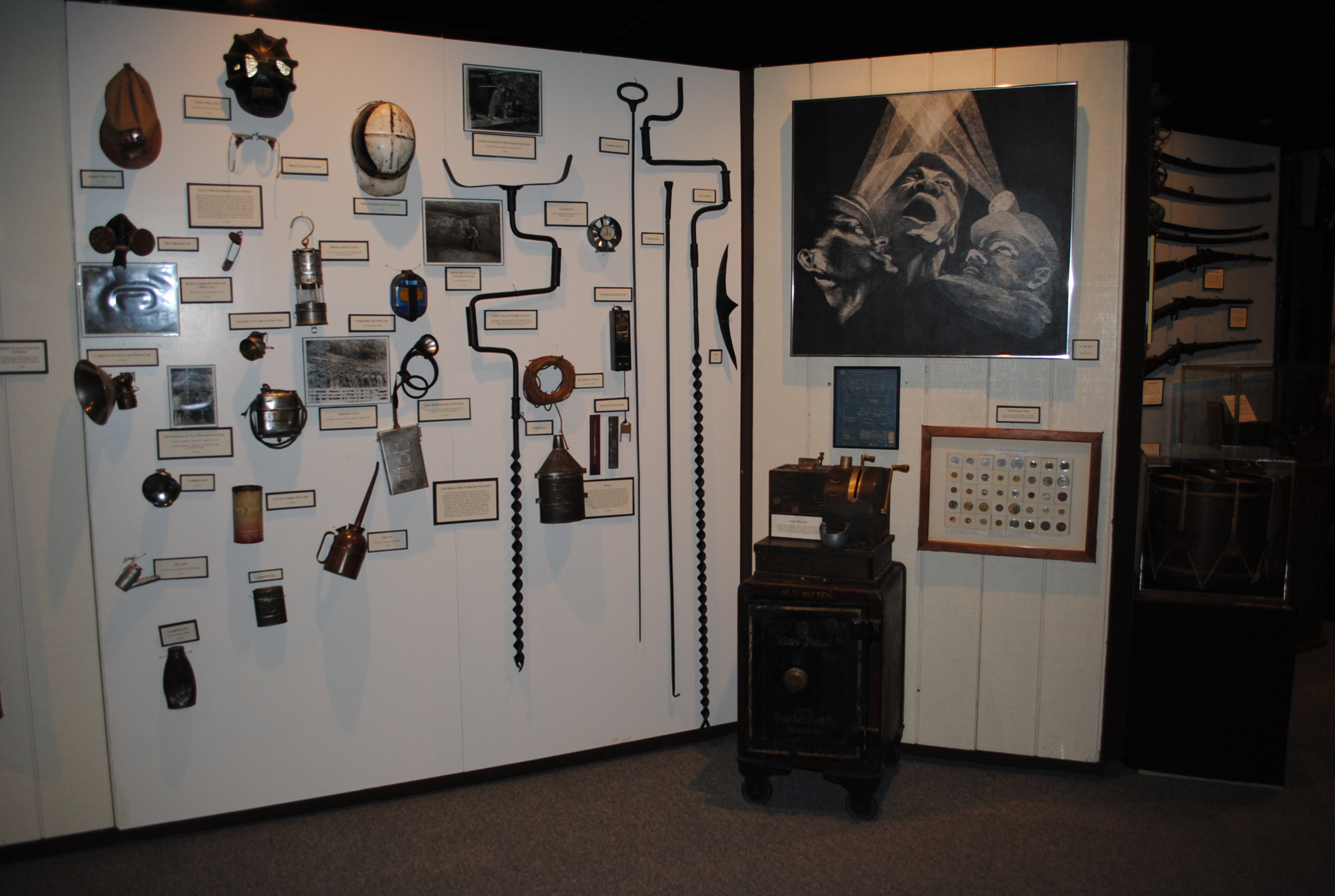
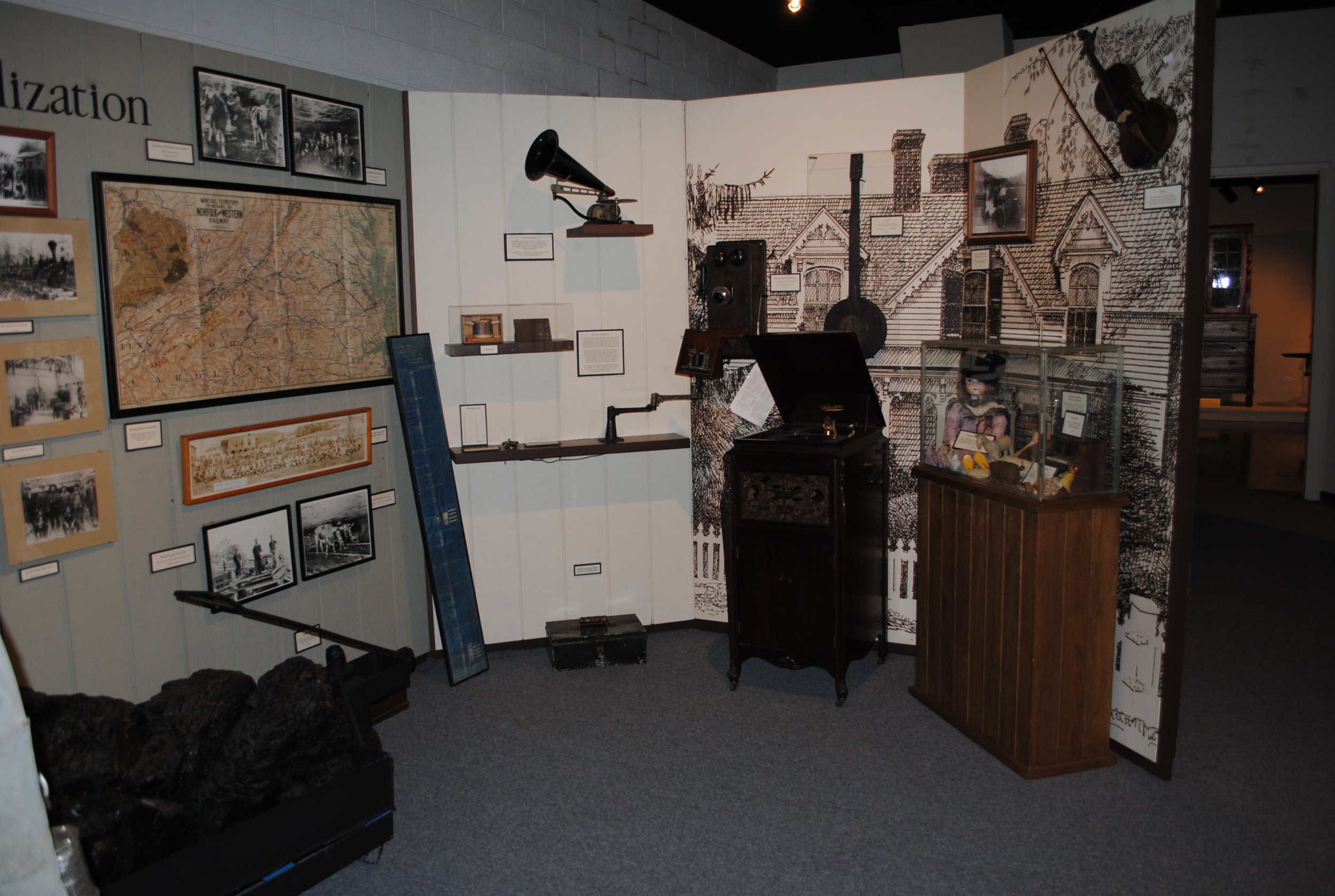
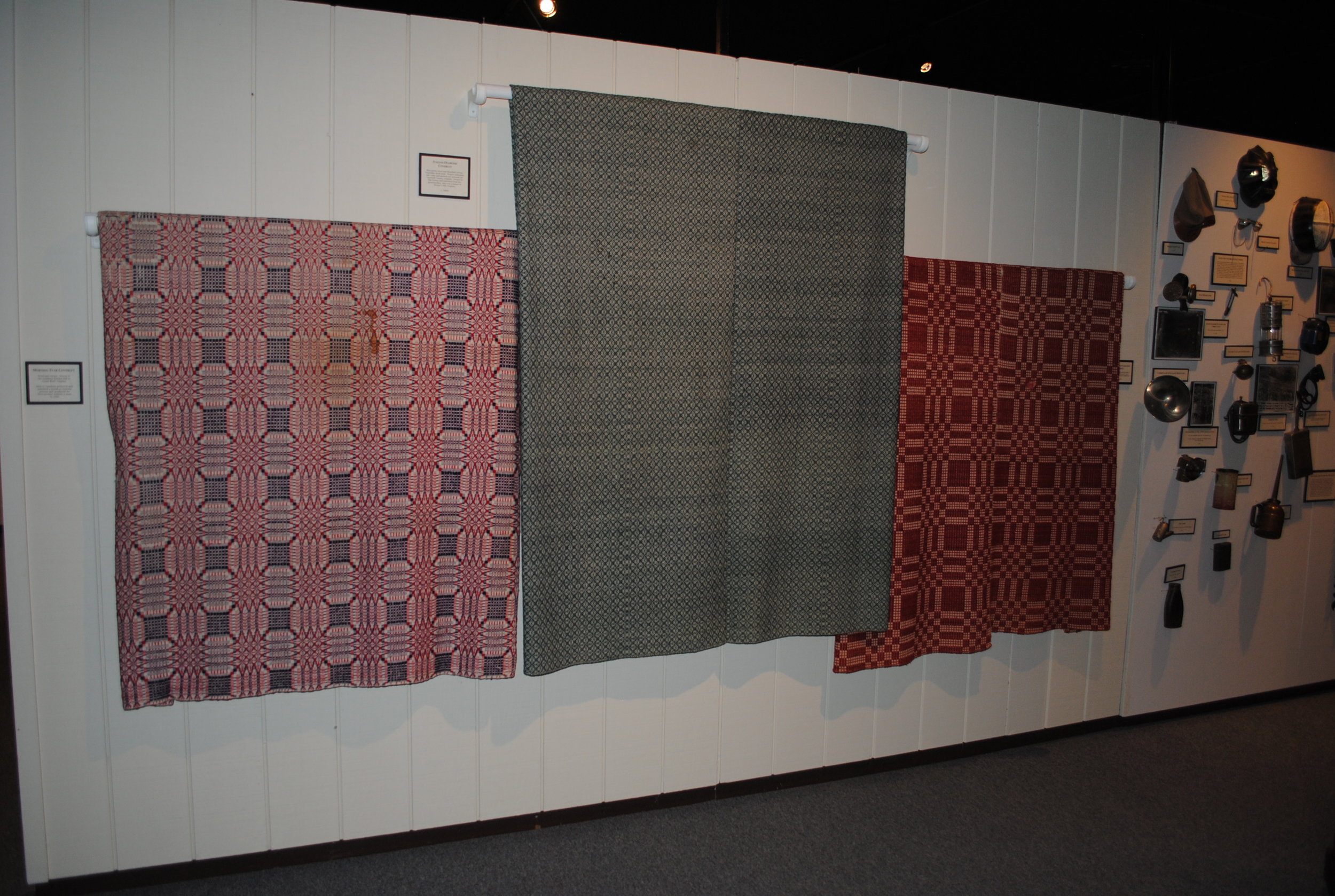
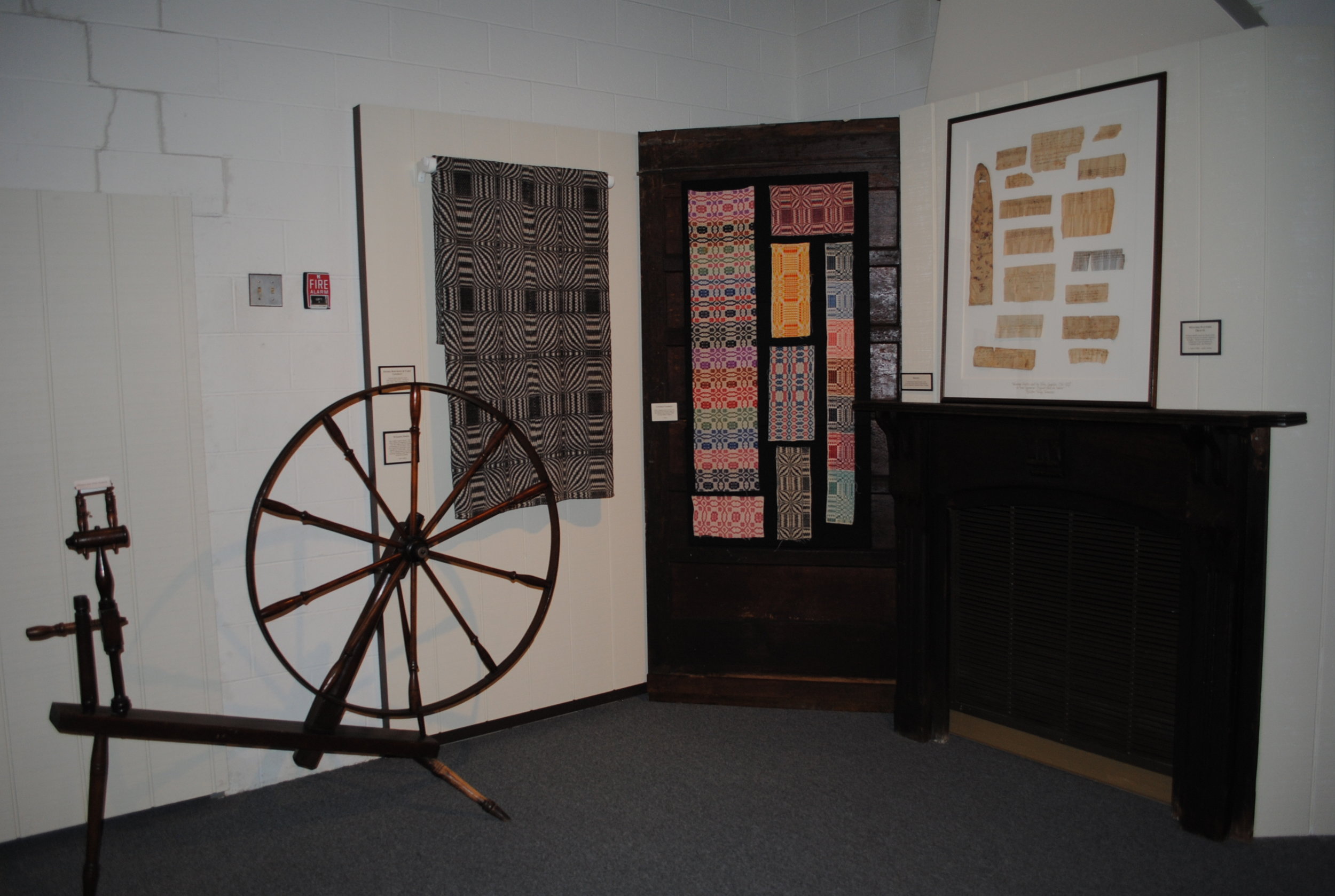
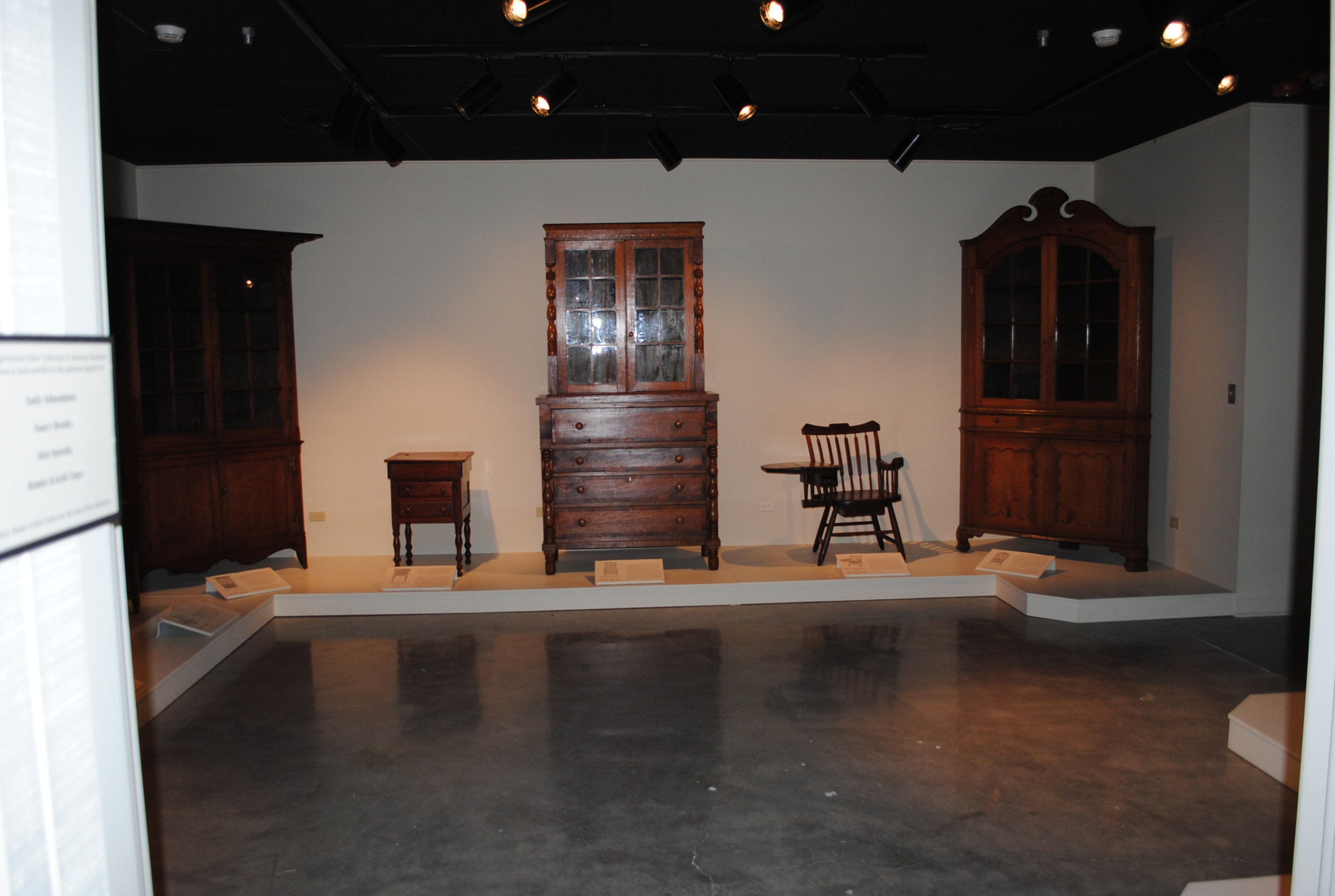
Each exhibit gallery focuses on a different aspect of the history of Southwest Virginia and Appalachia. Geological specimens, such as coal, salt, and fossils, along with a mastadon tusk and molars, and examples of local wildlife begin the story of the area. The first people to inhabit this land were Native Americans who constructed a palisaded village on this site during the 1500s. A model of the village and an educational replica of a wigwam are found in this gallery, in addition to archaeological artifacts found on site during an archaeological dig that took place during the 1970s. The arrival of the first white settlers, known as "long hunters", arrived in the early 18th century to hunt on the frontier. From these first pioneers, the gallery exhibits follow the lives of the people of Southwest Virginia through the struggles of war, the practices farming and timbering, and the discovery of coal during the 19th century. The last two exhibit galleries feature the decorative arts and focus on textiles and furnishings made in Southwest Virginia and Appalachia.
Currently on exhibit in the changing gallery:
Raising the Colors of Revolution
~ Early American flags, their origins, and meaning ~
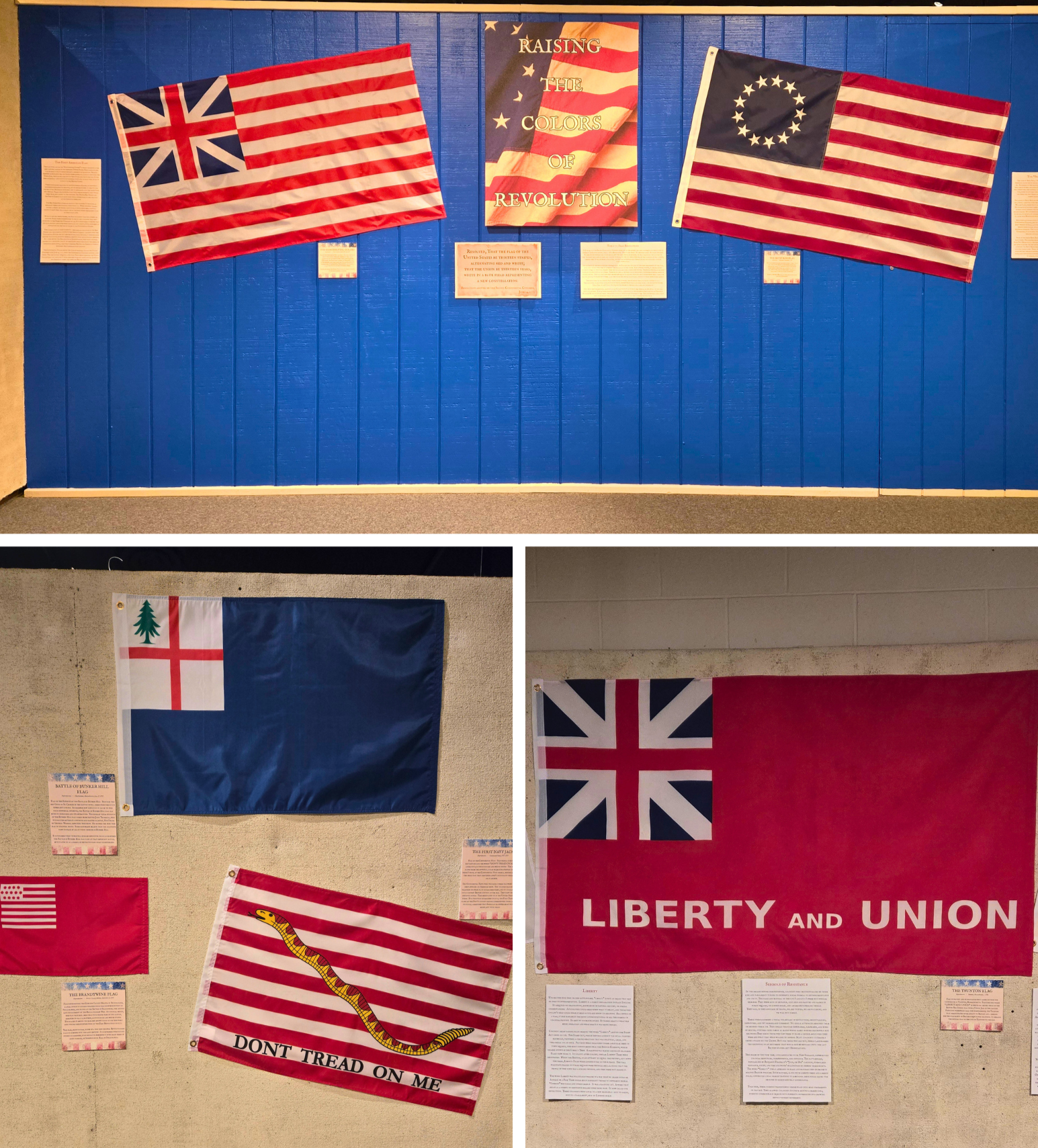
Raising the Colors of Revolution explores the diverse flags that emerged in America before the adoption of the Stars and Stripes in 1777. During the Revolutionary era, colonists used banners such as the Sons of Liberty Flag, the Gadsden Flag, and the Appeal to Heaven Flag to express protest, unity, allegiance, and independence.
The exhibition examines the symbols and meanings behind these early designs while also exploring the myths that shape national memory, including the enduring story of Betsy Ross. Through these flags, visitors discover how early Americans created a powerful visual language that helped define a new nation and laid the foundation for the American flag we know today.
Raising the Colors of Revolution is open to the public now through December 2026